15+ Science-Based Strategies
To Cut Livestock Emissions
See how each strategy affects emissions, production, and cost.
Methane-Reducing Feed Additives
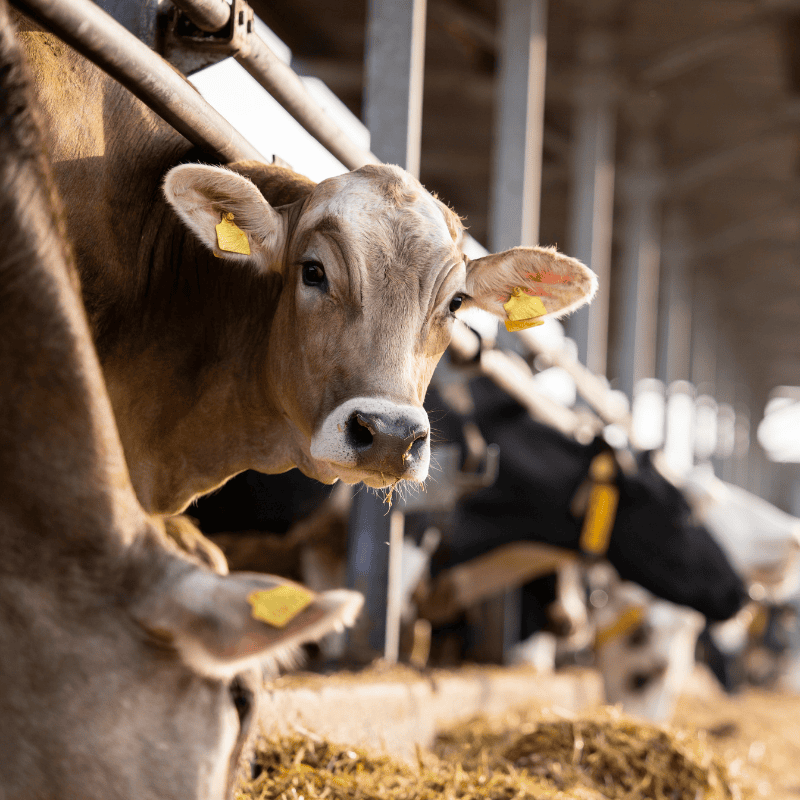
A feed additive that suppresses methane production directly in the cow's rumen. Effect varies by product and by how much time cows spend housed, with no reported change to milk yield.
See how it works →Coming soon
Protected Urea
Urea treated with urease and nitrification inhibitors. Same nitrogen delivery, far less lost as nitrous oxide once it's in the field.
See how it works →Coming soon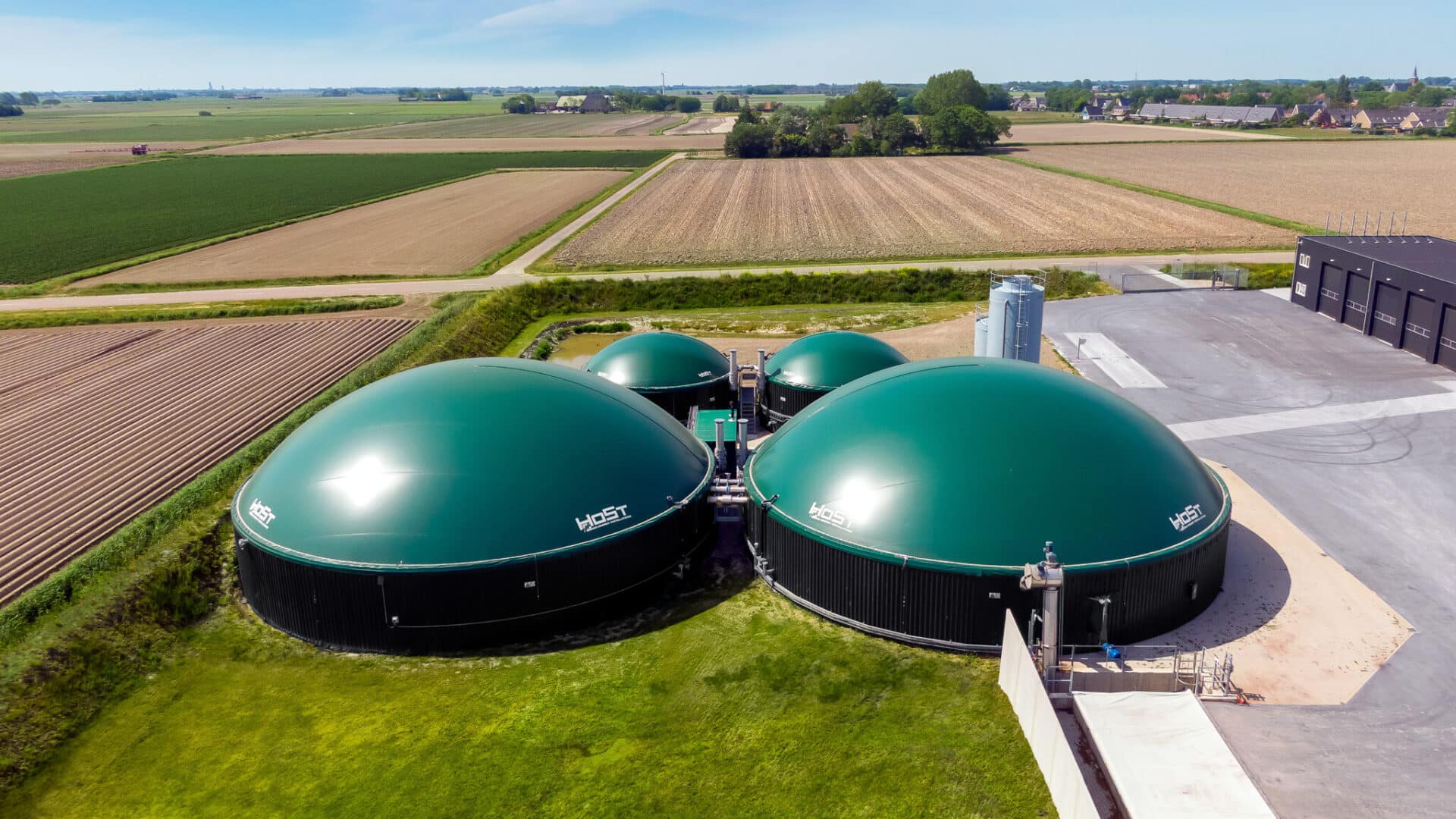
Anaerobic Digestion
Converts stored slurry's methane into biogas instead of releasing it. Comes with a nutrient-rich digestate and, often, a new income line.
See how it works →Coming soon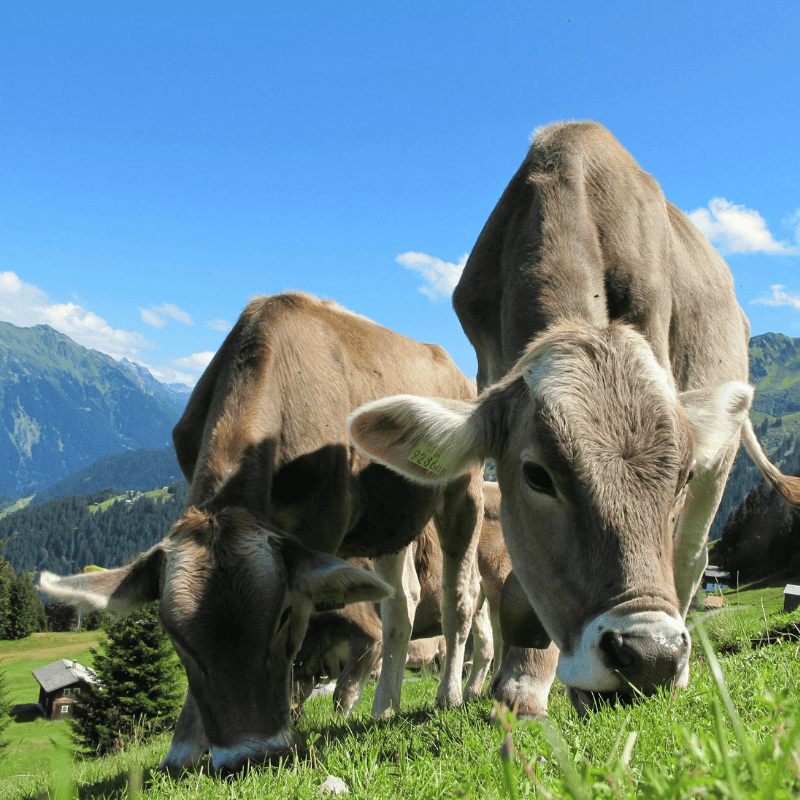
Extending Grazing Season
More time outdoors means less manure stored in tanks and less conserved feed. A lower-emission profile, day by day.
See how it works →Coming soon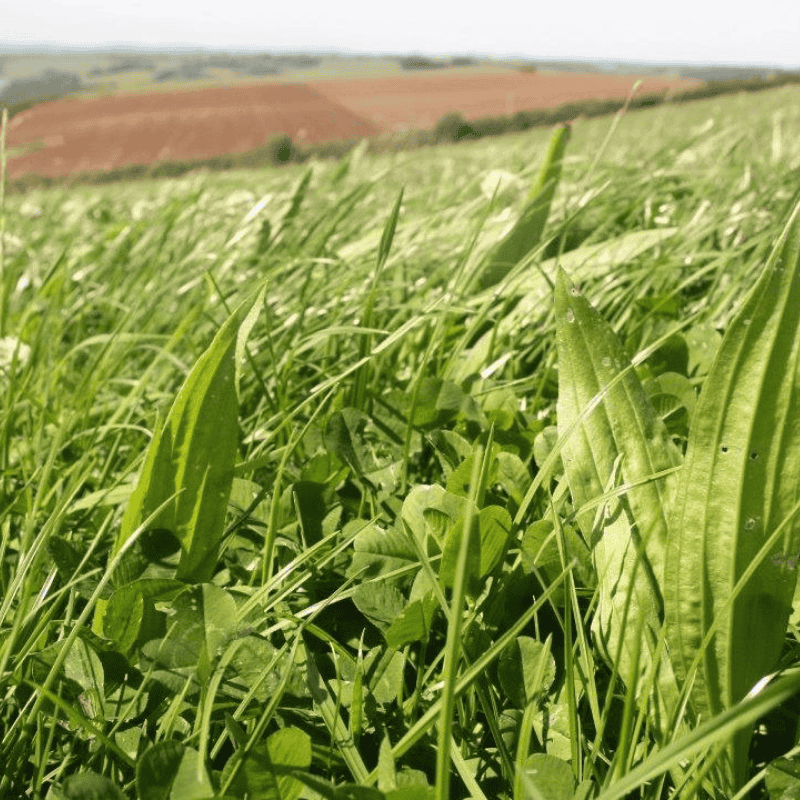
Multispecies Swards
A diverse mix of grass, legume, and herb species — sometimes called a herbal ley — fixes its own nitrogen. Grazing platforms can run on far less bagged fertiliser.
See how it works →Coming soon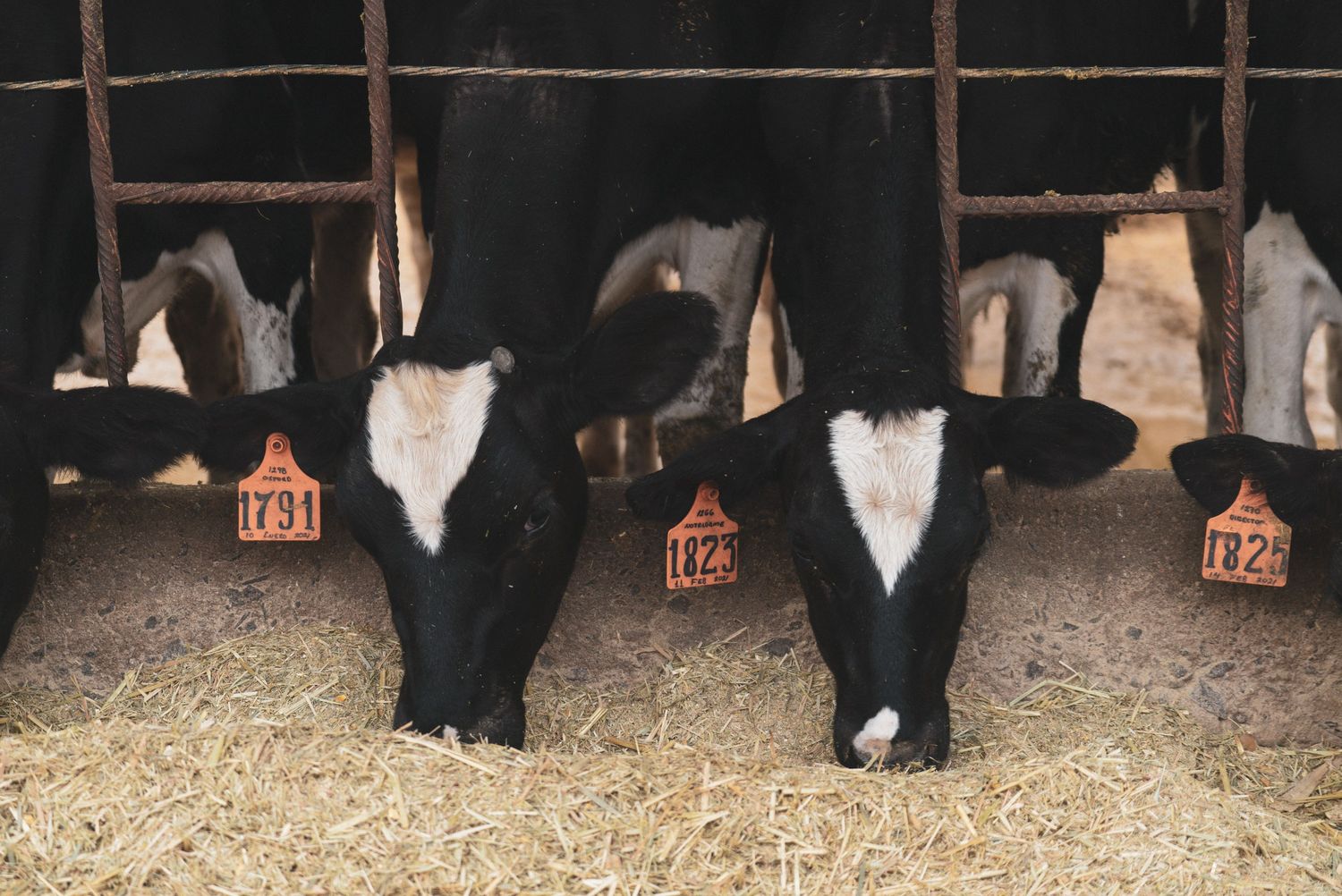
Native Diet
Sourcing feed ingredients close to the farm cuts the emissions embedded in transport, without changing what's in the ration.
See how it works →Coming soon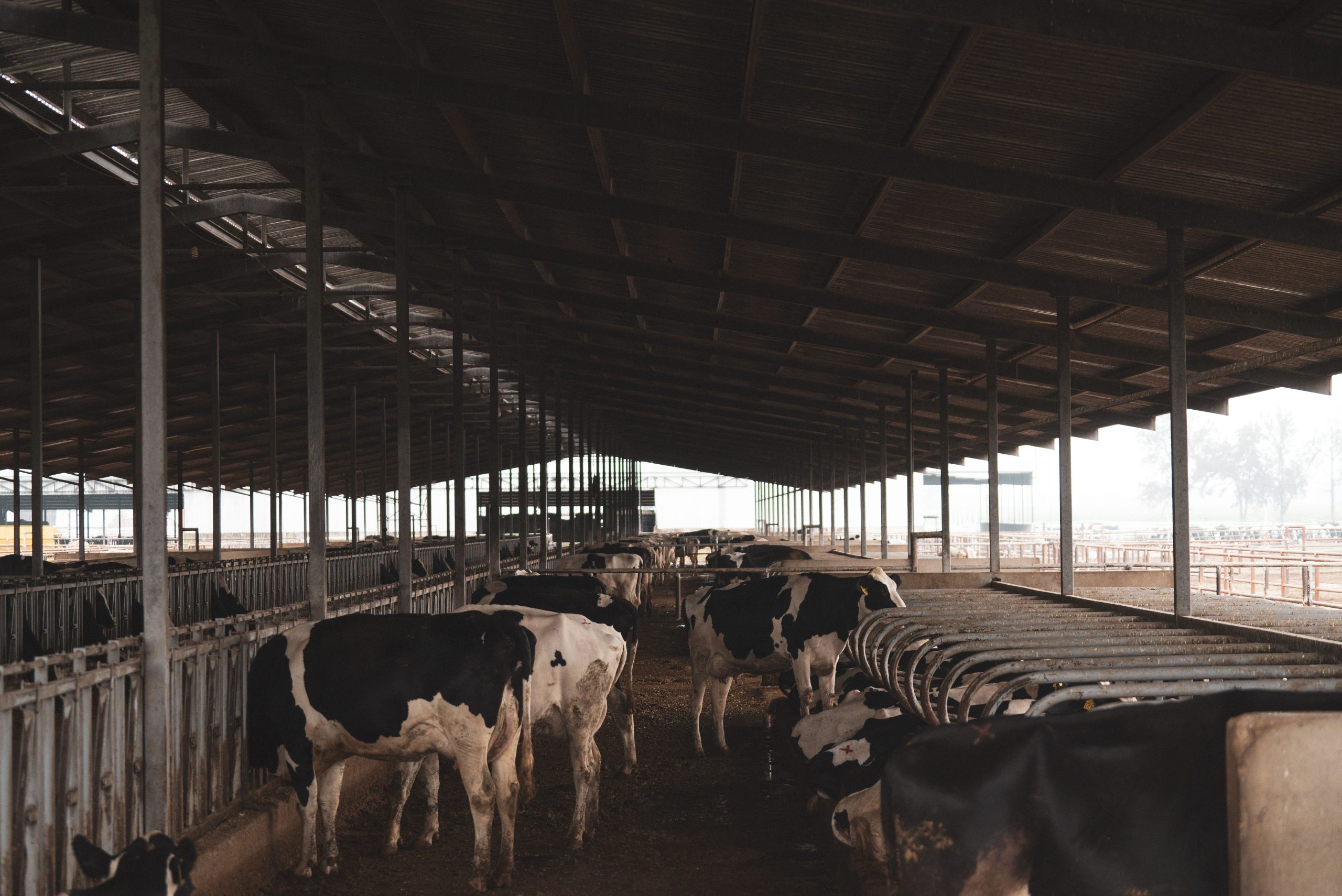
Reduce Cow Population
Matching the number of animals to what the land and system can support cuts enteric, manure, and feed emissions proportionally.
See how it works →Coming soon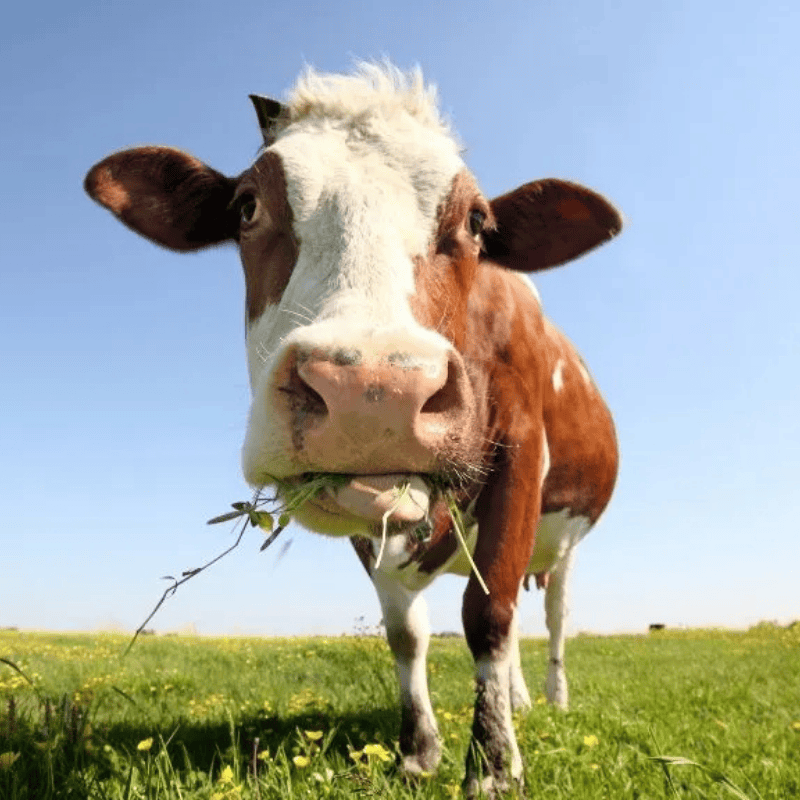
Reduced Replacement Rate
Better cow longevity and fertility mean fewer heifers reared each year. Less feed, less manure, lower emissions, same milk from the herd that stays.
See how it works →Coming soon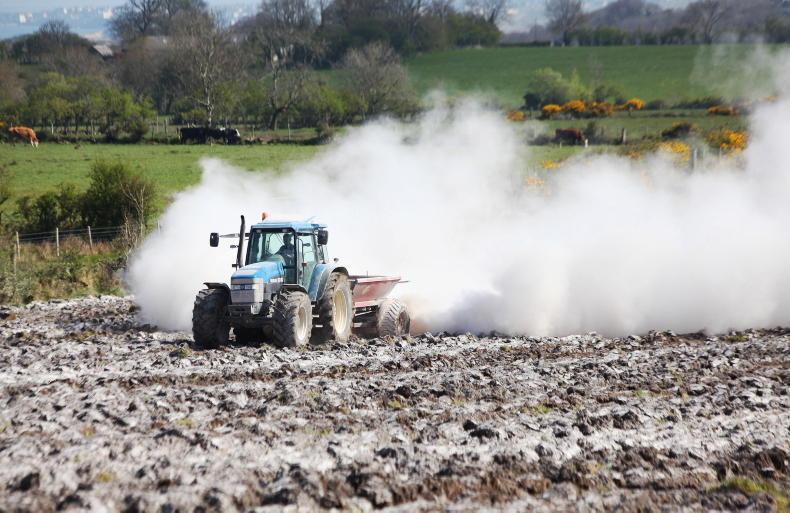
Liming
Correcting soil pH improves nitrogen uptake, so the same yield can be reached with less fertiliser applied. A simple, low-cost lever.
See how it works →Coming soon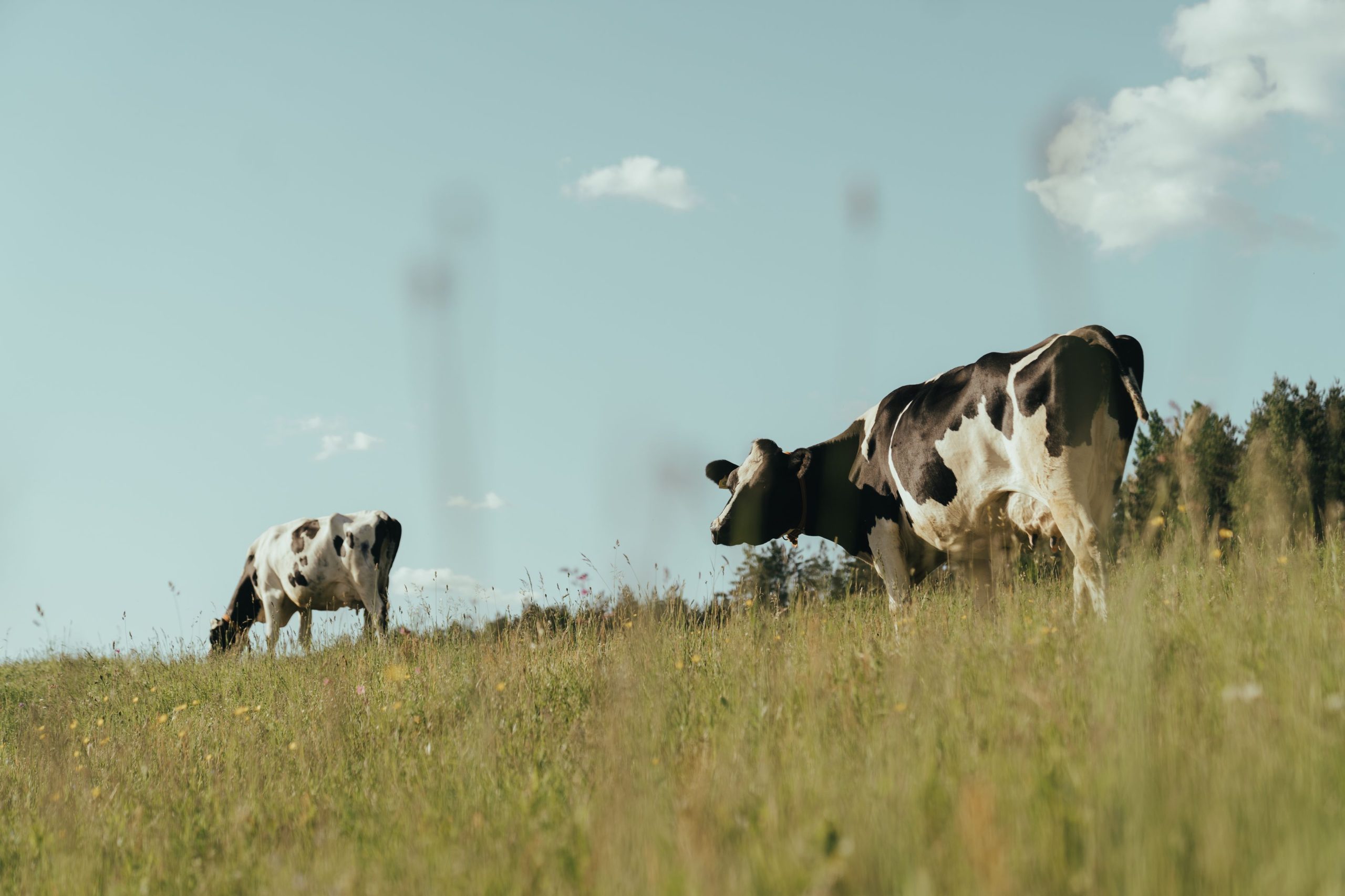
Rotational Grazing
Moving cows through grazing blocks in rotation improves grassland utilisation, so the herd relies less on purchased concentrate.
See how it works →Coming soon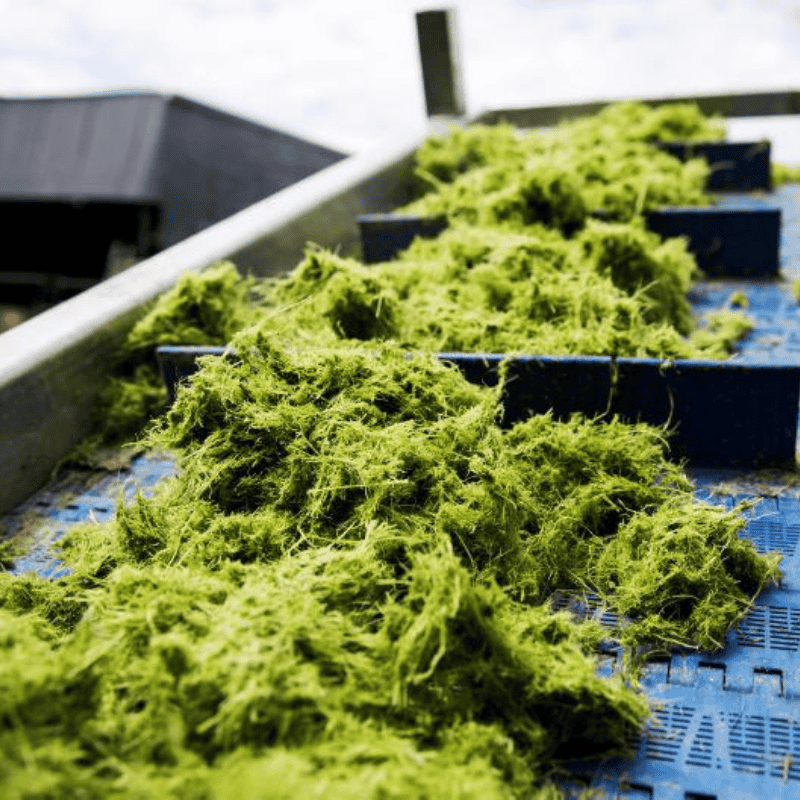
Improving Forage Quality
Higher-digestibility silage improves feed conversion. Cows produce more milk per kilo of methane.
See how it works →Coming soon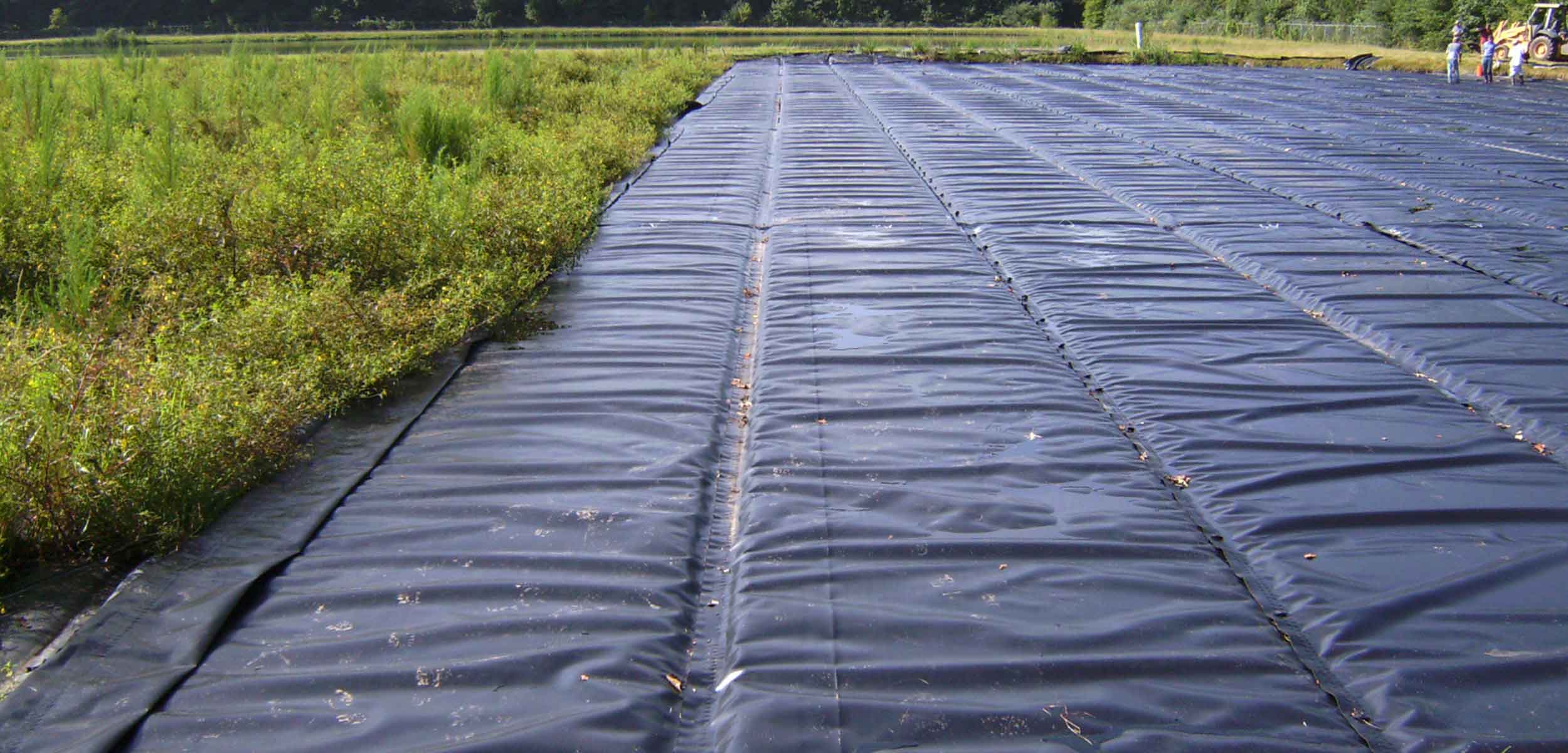
Slurry Additives
A chemical treatment added to stored slurry that suppresses the microbes producing methane and ammonia, keeping more nitrogen locked in for the field.
See how it works →Coming soon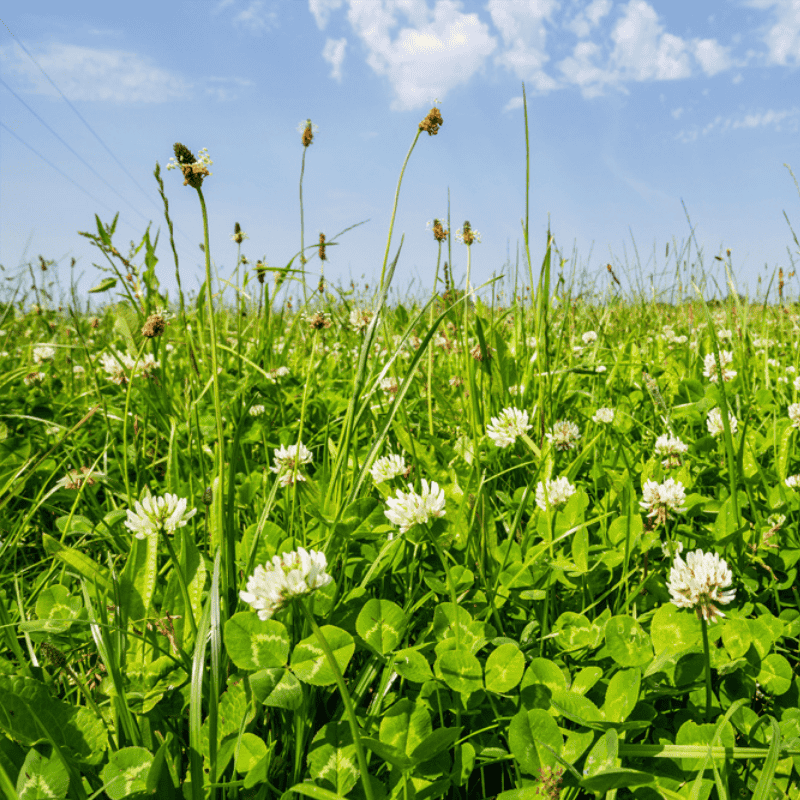
Clover-Based Swards
Red or white clover worked into the sward fixes nitrogen naturally, cutting the fertiliser bill on grazing or silage ground.
See how it works →Coming soon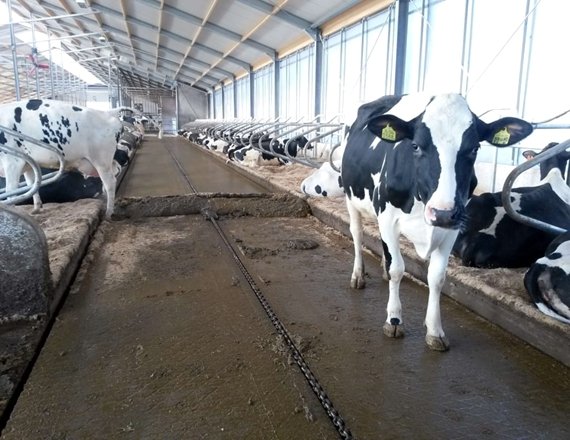
Rapid Removal of Manure from Housing
Scraping or flushing manure out of housing quickly stops it building up in warm, low-oxygen conditions where methane forms fastest. The less time it sits, the less it emits.
See how it works →Coming soon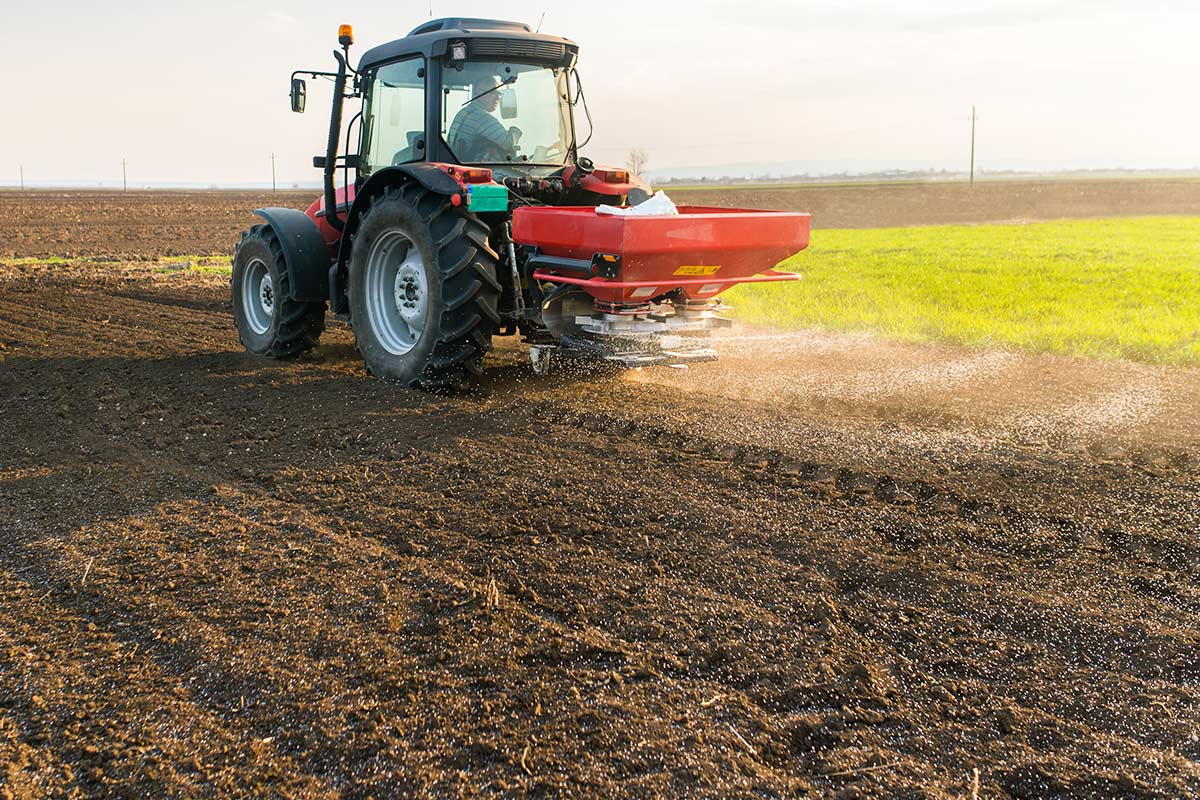
Low Emission Fertiliser
A nitrogen fertiliser produced with a lower manufacturing footprint than conventional urea or CAN, delivering the same nitrogen to the field with less carbon built in.
See how it works →Coming soon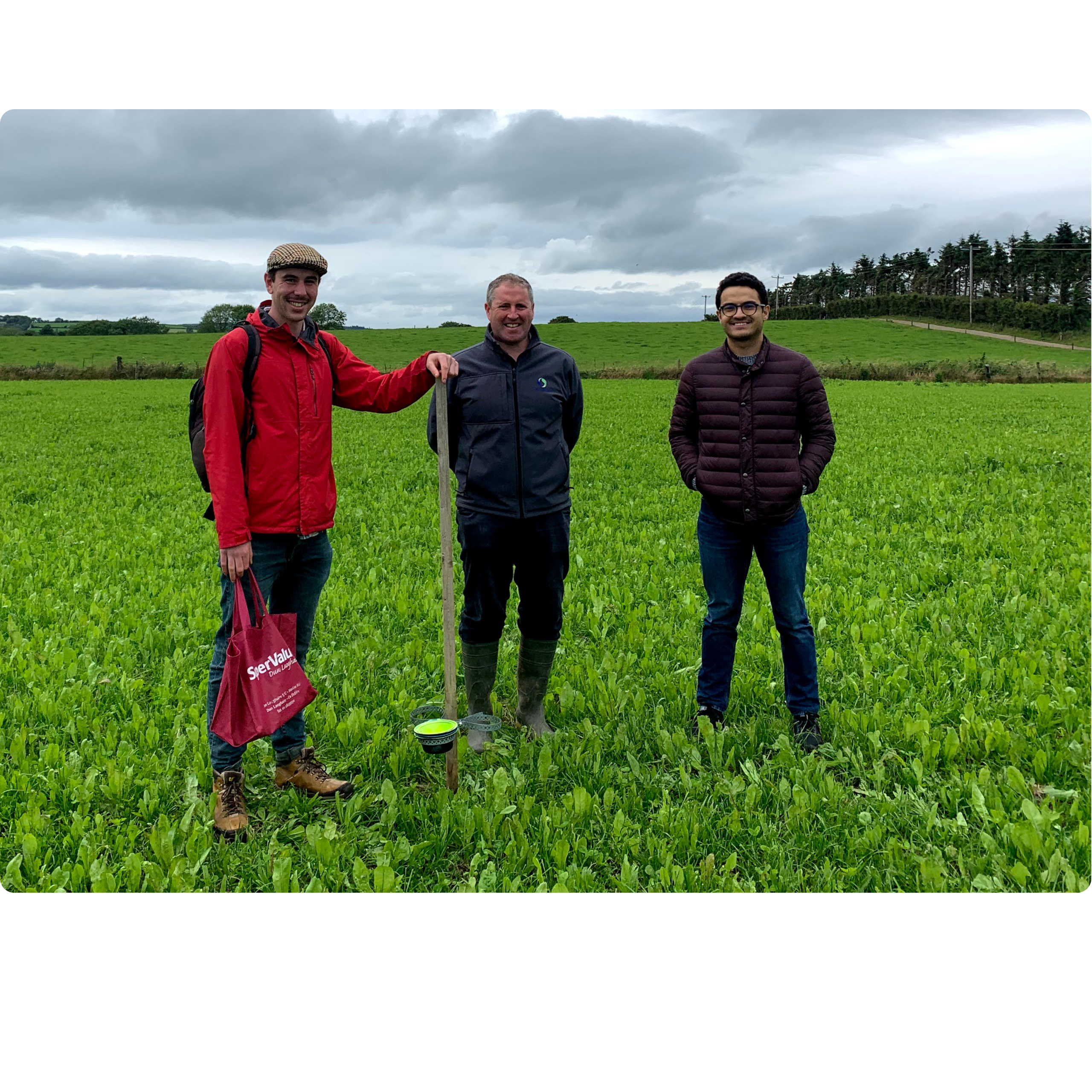
Behind the Research
ODOS Tech was founded by Cian White and Alejandro Vergara, two sustainability specialists with deep roots in agricultural climate science.
Cian (left) is a researcher at Trinity College Dublin with a PhD in ecology. He uses satellite imagery to map farm habitats and restore biodiversity. Alejandro (right) holds a PhD in environmental engineering from University College Dublin. He helps livestock companies measure their carbon footprint and put mitigation strategies into action. Enda (centre) is sustainability director at Carbery and led the Farm Zero C project.
Together, they led the carbon and nature-based work behind Farm Zero C at Shinagh Farm, one of Europe's first net-zero dairy pilots. In 2020, they launched ODOS Tech, a science-based platform that helps agri-food businesses cut emissions and restore nature.